Dir ist aufgefallen, dass dein Kind nicht auf den eigenen Namen hört. Er/Sie spielt eigentlich meist allein und ist dann sehr vertieft in das Spiel, sodass er/sie gar nicht mitbekommt, wenn man mit ihm/ihr spricht. Du hast das Gefühl, dass dein Kind dich gar nicht braucht, weil es sich nicht gerne in die Arme schließen lässt und sich auch selten durch deine Anwesenheit beruhigen lässt. Er/Sie will nicht mit dir kommunizieren und schaut dich nur sehr selten an. Dies könnten alles Symptome einer Autismus Spektrum Störung sein.
Ein Kind auf dem Autismus Spektrum hat Schwierigkeiten in der sozialen Kommunikation und Interaktion, weil es oftmals soziale Situationen nicht versteht. Aufgrund dessen sind diese Kinder dann oftmals überfordert mit allen Reizen die soziale Situationen erfordern. Sie müssen das Hörsignal, visuelle Signal und noch Berührungen gleichzeitig verarbeiten, welches oftmals zu viel von den Kindern auf dem Autismus Spektrum fordert. Sie reagieren dementsprechend mit schreien, weinen, Rückzug oder repetitiven Bewegungen, um dieser Reizüberflutung zu entkommen. Wenn wir Mal ehrlich sind, reagieren wir ähnlich in Situationen, die uns stark überfordern. Nur haben wir das Glück, dass uns nicht alle sozialen Interaktionen überfordern. Das heißt, dein Kind reagiert ganz normal, nur müssen wir deinem Kind helfen weniger überfordert zu sein mit sozialen Situationen, sodass er/sie sich in die Gesellschaft bestmöglich integrieren kann. Hilfe bekommst du für dein Kind in logopädischen und ergotherapeutischen Praxen.
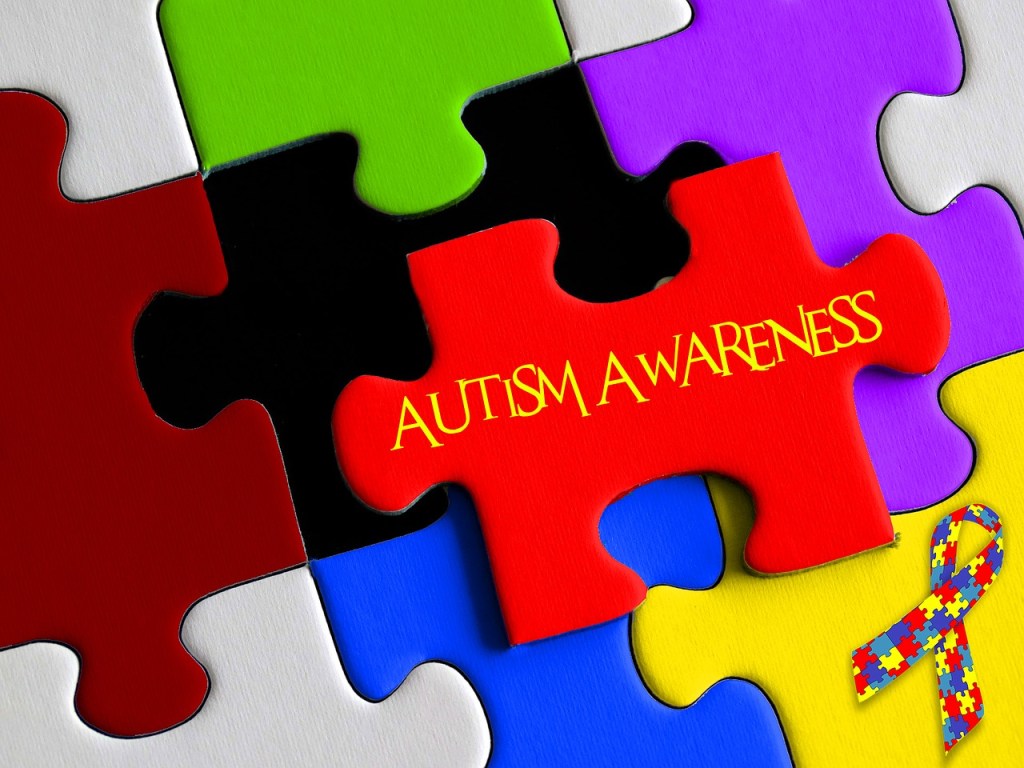
(Bildquelle: Pixabay https://pixabay.com/de/illustrations/autismus-autismus-bewusstsein-2377410/)
WHAT DOES IT MEAN WHEN YOUR CHILD LIVES WITH AN AUTISM SPECTRUM DISORDER?
You have noticed that your child does not listen to his/her own name. He/she usually plays alone and is very absorbed in the game, so that he/she doesn’t notice when you talk to him/her. You have the feeling that your child doesn’t need you, because he/she doesn’t like to be held in your arms and can rarely be calmed by your presence. He/she doesn’t want to communicate with you and very rarely looks at you. These could all be symptoms of an autism spectrum disorder.
A child on the autism spectrum has difficulty in social communication and interaction because he/she often does not understand social situations. Because of this, these children are often overwhelmed with all the stimuli that social situations require. They have to process the auditory signal, visual signal and touch at the same time, which often demands too much from children on the autism spectrum. They react by screaming, crying, withdrawing or repetitive movements to escape their overstimulation. If we are honest, we react similarly in situations that overwhelm us, by withdrawing from them. Our advantage is that not all social interactions overwhelm us and we have learnt socially appropriate ways to withdraw from overstimulation. In conclusion, your child is reacting quite normally by trying to escape overstimulation. This means your child needs help to be less overwhelmed with social situations and learn socially appropriate ways to withdraw from overwhelming situations so that he/she can integrate into society in the best way possible. In a speech therapy practice we can assist your child to acquire these skills.
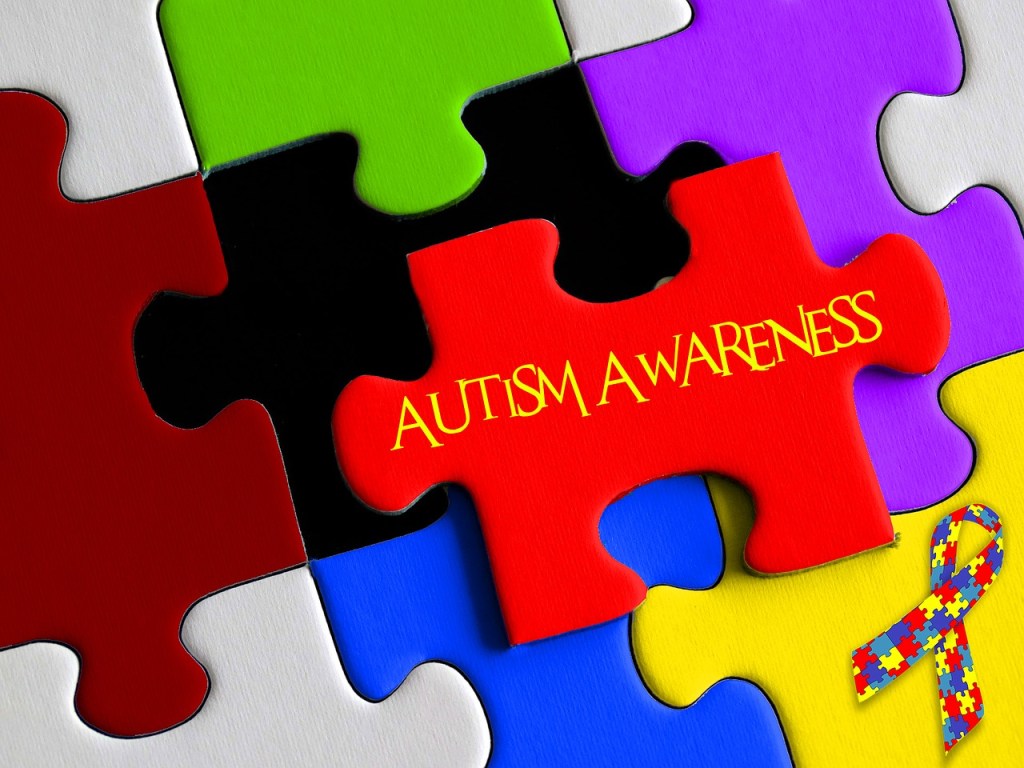
(Picture source: Pixabay https://pixabay.com/de/illustrations/autismus-autismus-bewusstsein-2377410/)


 Sprachrohr-Logopädie
Hinterlasse einen Kommentar